
DOB/DOD: January 29, 1947 (Norwalk, CT) – May 14, 1969; 22 years old
MARITAL STATUS: Unmarried
LOCAL ADDRESS: 5 St. John Street, East Norwalk (house is no longer there)
ENLISTMENT: April 24, 1968
MILITARY OCCUPATIONAL SPECIALTY: 91A10; Combat Medic
TOUR START DATE: March 27, 1969 (killed 48 days later)
SERVICE NUMBER: 52725281
UNIT: HQ & HQ Company, 3rd Battalion, 21st Infantry Regiment, 196th Infantry Brigade, Americal Division
FAMILY: Born to Raymond Paul (1914-1950) and Olive Stow Shea Salancy (1918-2003). Olive remarried Alex Salancy (1909-1966) on August 30, 1963. One brother, Dennis (1950-). One sister, Paula Ray (1951-).
CASUALTY LOCATION: Attack on the Nui Yon Regional Forces Camp approximately 8km Southwest of Tam Ky, Quang Tin Province, South Vietnam
THE WALL: Panel 24W, Line 12
Awarded the Medal of Honor, Purple Heart Medal, National Defense Service Medal, Vietnam Service Medal, Republic of Vietnam Campaign Medal, Vietnam Gallantry Cross Unit Citation, and the Combat Medical Badge.


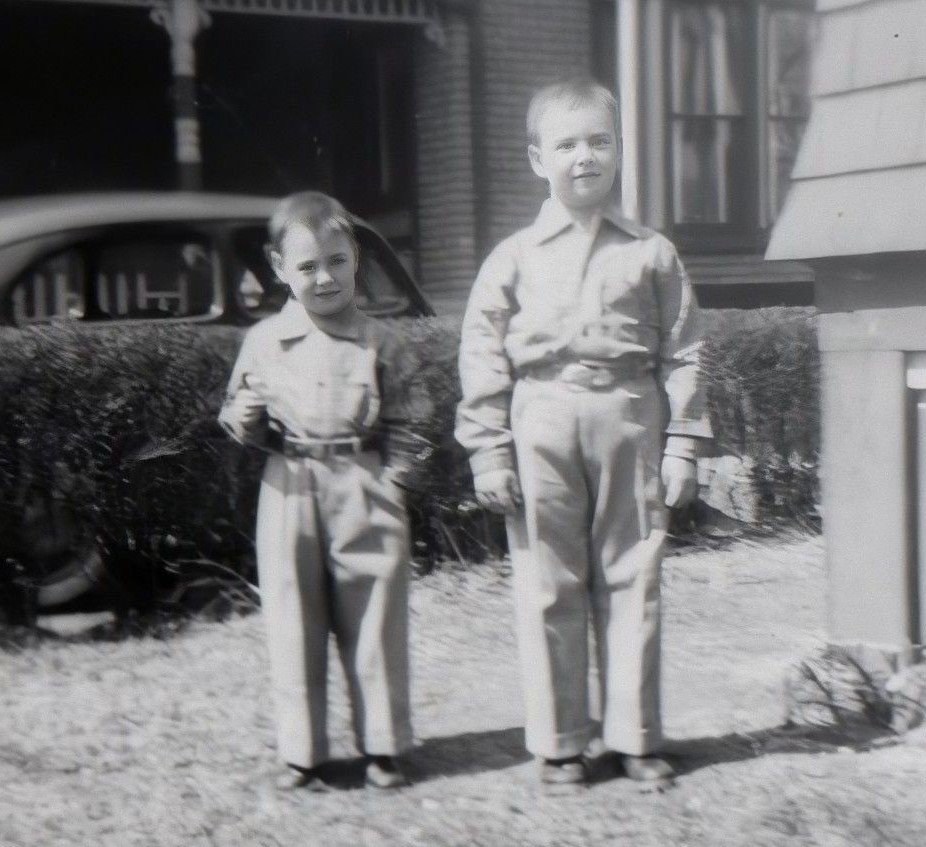
2 ½ years apart in age.
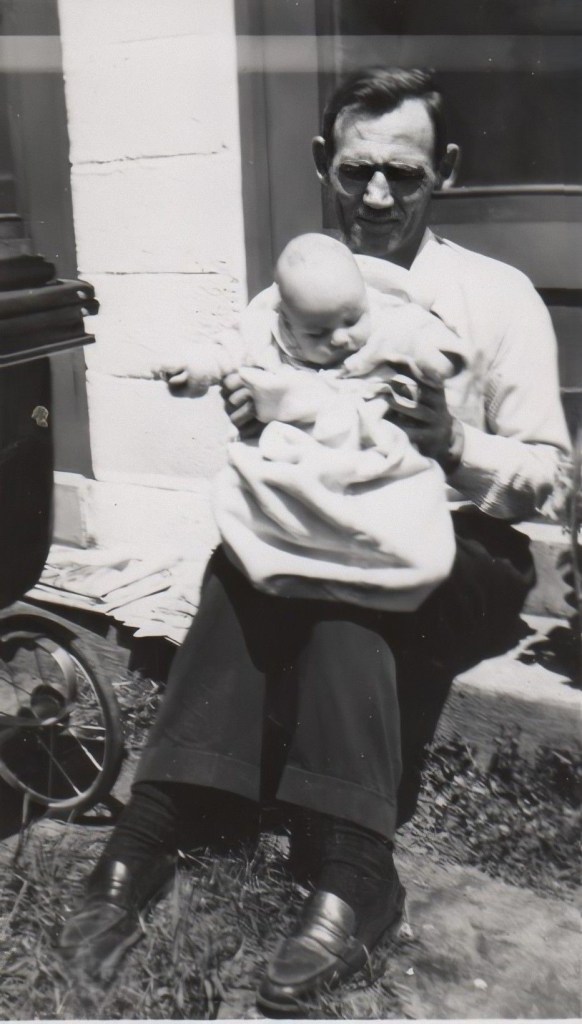
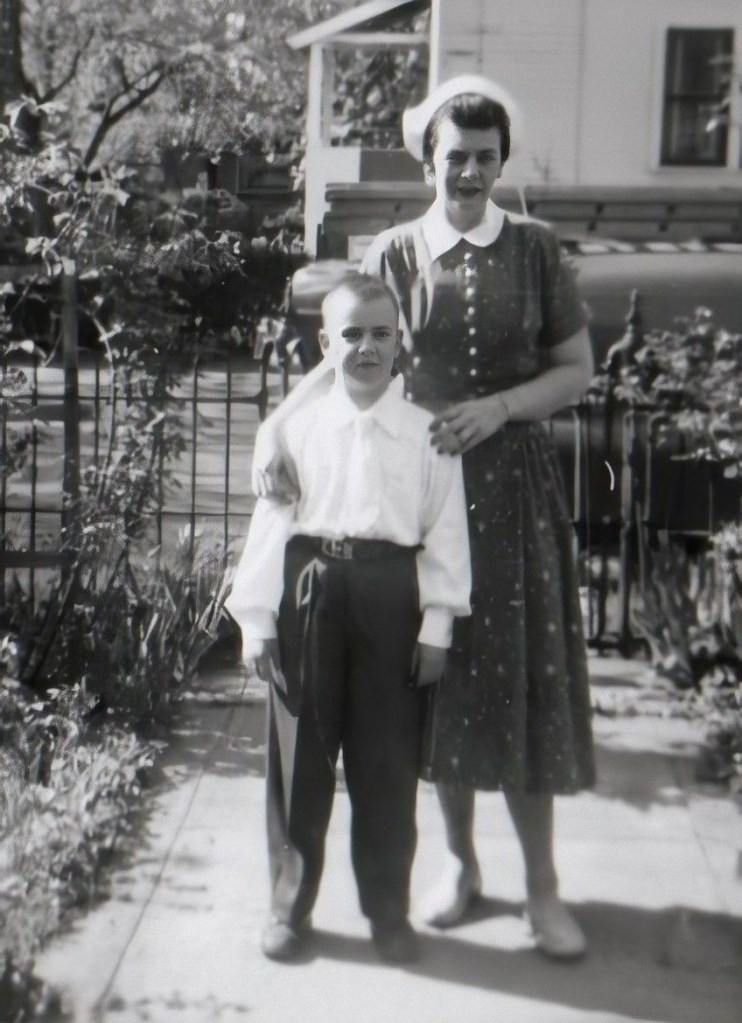
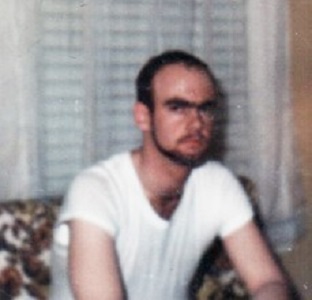
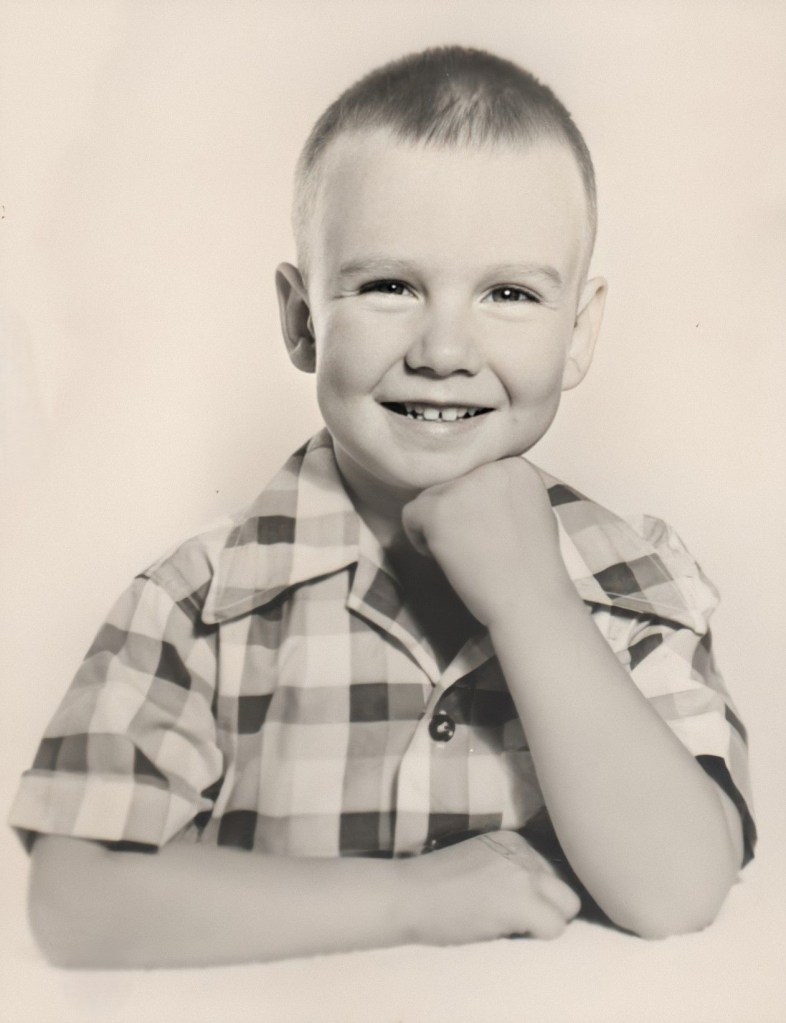
WEBMASTER NOTE: All pictures of young Daniel Shea were contributed by his sister, Paula Ray Shea.


yearbook. No picture was in the yearbook.
The webmaster for this site took photos of PFC Shea’s Medal of Honor at the Congressional Medal of Honor Society in Mount Pleasant, South Carolina.
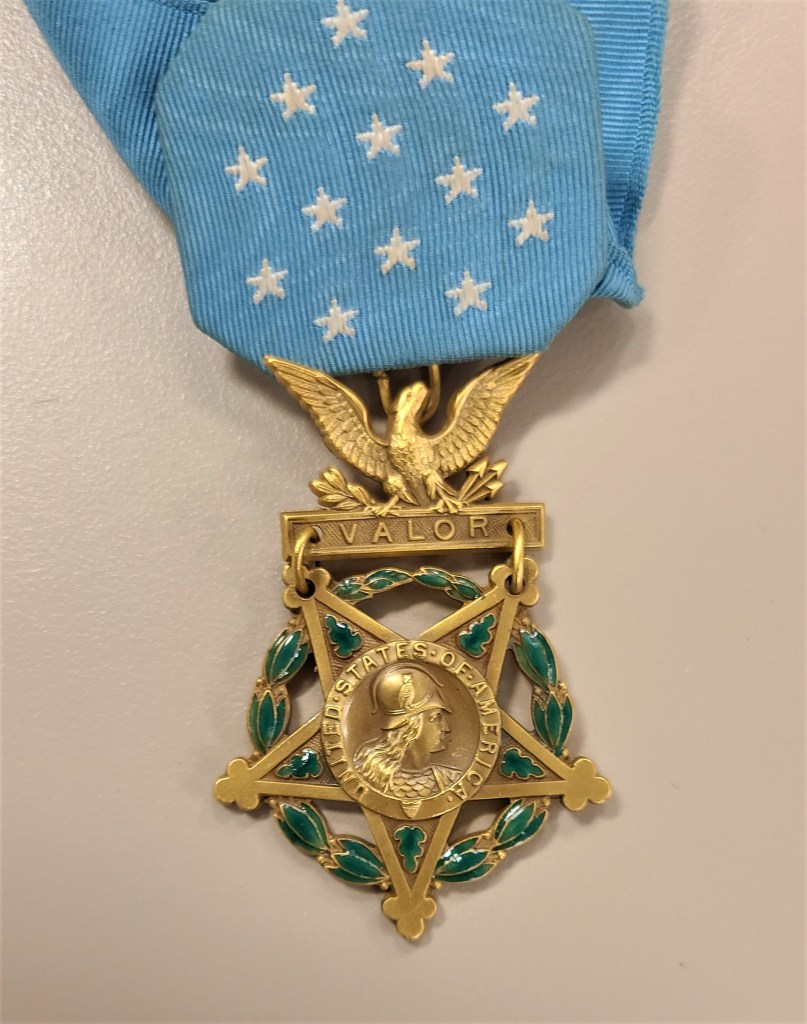

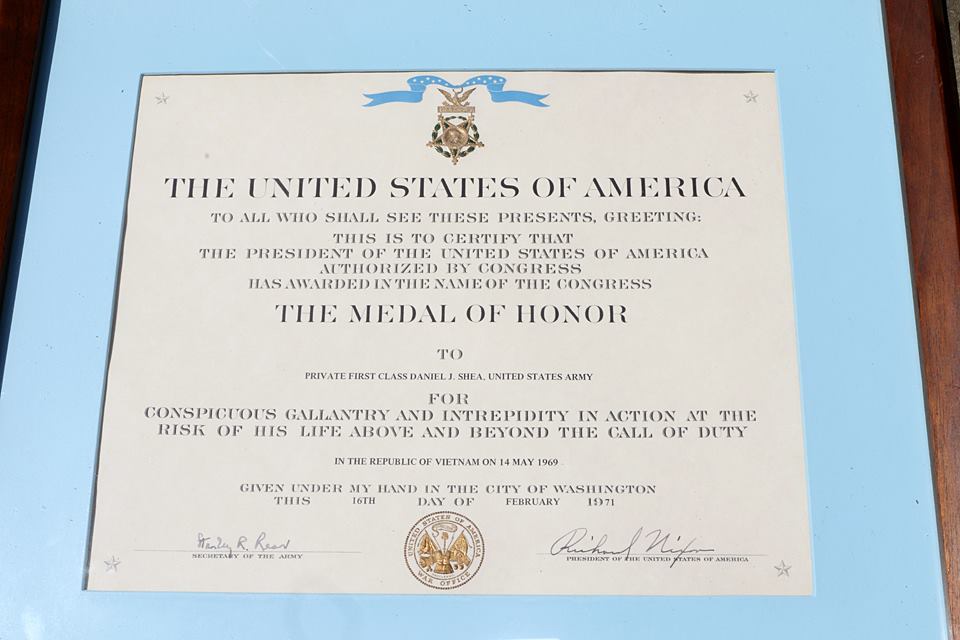

From Vietnam Historian
By Les Hines
PFC Daniel Shea received the Medal of Honor for his actions on May 14, 1969, while assigned to HHC, 3/21 infantry. His hometown held a special ceremony in May to honor Shea’s sacrifice. The Medal of Honor citation for Daniel Shea reads as follows.
For conspicuous gallantry and intrepidity in action at the risk of his life above and beyond the call of duty. Pfc. Shea, Headquarters and Headquarters Company, 3d Battalion, distinguished himself while serving as a medical aidman with Company C, 3d Battalion, during a combat patrol mission. As the lead platoon of the company was crossing a rice paddy, a large enemy force in ambush positions opened fire with mortars, grenades, and automatic weapons. Under heavy crossfire from three sides, the platoon withdrew to a small island in the paddy to establish a defensive perimeter. Pfc. Shea, seeing that a number of his comrades had fallen in the initial hail of fire, dashed from the defensive position to assist the wounded. With complete disregard for his safety and braving the intense hostile fire sweeping the open rice paddy, Pfc. Shea made four trips to tend wounded soldiers and to carry them to the safety of the platoon position. Seeing a fifth wounded comrade directly in front of one of the enemy strong points, Pfc. Shea ran to his assistance. As he reached the wounded man, Pfc. Shea was grievously wounded. Disregarding his welfare, Pfc. Shea tended his wounded comrade and began to move him back to the safety of the defensive perimeter. As he neared the platoon position, Pfc. Shea was mortally wounded by a burst of enemy fire. By his heroic actions Pfc. Shea saved the lives of several of his fellow soldiers. Pfc. Shea’s gallantry in action at the cost of his life were in keeping with the highest traditions of the military service and reflect great credit upon himself, his unit, and the U.S. Army.
ADVA Americal Newsletters published information about Shea’s award. A list of the publications follows:
1971-03 – issue had a notice that Daniel Shea was receiving the CMOH.
1971-05 – issue printed the CMOH citation for Daniel Shea.
1970-09 – issue printed the CMOH citation for Daniel Shea.
1989-07 – issue printed a story about the memorial in Norwalk and the ceremonies that were planned to honor him.
Daniel Shea was no longer around to tell his story after the battle. James McCloughan, who was another medic in the action, had been wounded about the same time as Shea was killed. McCloughan refused to be evacuated and stayed with the men of C 3/21st for two more days. He was in the action with Shea when Shea was killed. You can see interviews with McCloughan by Googling “McCloughan Interviews.” He describes the action that he and Shea both experienced. This battle was one of several severe battles that blunted the NVA attack that was likely to take out the province capital of Tam Ky. Armor from the 1/1st Cavalry regiment, and ARVN forces were having trouble holding back advancing NVA forces. C 3/21st Inf. Bn. was brought in to blunt the enemy attack. The C 3/21st Inf. Bn. Commander Lt. Emie Carrier initially refused to take his men into the swarming enemy, But he accepted after being told he would simply be replaced if he refused. Some C 3/21st soldiers felt the masses of enemy swarming on the hill should have been bombed and shelled before committing infantry. This action and the actions around LZ Professional with the 1/46th Infantry prompted the division to declare a tactical emergency. Then, within 24 hours, the 1st Brigade of the 101st Division was brought into Tam Ky to reduce the enemy threat to Tam Ky and Chu Lai. I made a map marking detailed locations and times for different events in this battle for James McCloughan. The map is over 20 Megabytes and may be too large to email. I made a second map showing four major battles that took place to hold the province from being overrun. This includes the battle in which Daniel Shea was killed. Interesting to show the bigger picture, but maybe it is too detailed. Personal comments: I recall that my helicopter (I was a crew chief) was used to assault some 3/21st soldiers in the battle area around this time, but I don’t think it was the C 3/21st assault into Nui Yon as I don’t recall any of our helicopters being shot down. A MAT team outpost had been overrun in this area and had been taken and lost several times overnight. Our helicopter assaulted ARVNs the next day (probably the day or day after the battle in which Shea had been killed.) I had normally flown a mission with the 196th Brigade commander on the day that Shea had been killed. The 196th LIB commander received a Distinguished Flying Cross for flying over the battle site where Shea had been killed on a helicopter from my unit. As I recall, all areas of the Americal Division were under heavy attack. The night before the battle, I was horrified to see several bunkers at LZ Dottie blown by B40 or APG fire while we were dropping flares (LZ Dottie is a few miles south of Chu Lal in the 198th Bde AO). I did assaults into LZ Professional during the time of this battle the day after they had 48 sappers killed in the wire. LZ Baldy had 40 sappers killed in the wire. There was heavy pressure placed on the forces all throughout the entire Americal Division during the battle at Nui Yon. And the attacks were also going on throughout Vietnam, not just the Americal Division AO.
From “Brutal Battles of Vietnam”
By Richard K. Kolb
A HORRENDOUS BATTLE: NUI YON HILL
While all media remained fixated on Hamburger Hill, a similar but smaller-scale battle played out about four miles southwest of Tam Ky Airfield in Quang Tin Province
From May 12-15, 1969, a desperate struggle raged for control of Nui Yon Hill. On May 12, Communist troops overran the South Vietnamese regional forces camp there. Three Americans of Advisory Team 16 were killed. 1st Lieutenant Curtis Breedlove was awarded a posthumous Silver Star. “Although their remains were barely identifiable, it was evident that each of the Americans was shot in the head,” said J. McCrary, a leader assigned to an ARVN unit during recapture of the hill. That same day, C Troop, 1st Squadron, 1st Cav (Armored Cavalry) made the initial assault. Then four companies of the 3rd Battalion, 21st Infantry, 196th Light Infantry Brigade, and Americal Division were flown in by helicopter. On the next day, Charlie Company air-assaulted into a hot landing zone. Hit on the descent, the helicopters deposited the men for what turned out to be a furious two-day fight. Some 89 men of the company encountered a much larger North Vietnamese force. The GIs were caught in ambushes as the enemy advanced. They had no idea what they were up against. Casualties quickly mounted. Private First Class Daniel J. Shea, a medic with C Company who had been in Vietnam for only six weeks, immediately exposed himself to heavy fire. He carried four wounded soldiers to safety. While rescuing a fifth man, Shea was severely wounded. As he neared the perimeter, the Connecticut native was hit again. Shea received a posthumous Medal of Honor.
RECOGNITION 48 YEARS LATER
A fellow medic of C Company performed similar life-saving actions. He was credited with keeping alive 10 platoon members. Private First Class Jim McCloughan was hit in the back with shrapnel from a Rocket Propelled Grenade while dragging two men into a trench line. Yet he stayed on. “I knew they were going to need me,” he said. “I wasn’t going to leave my men. Nope. I thought that would be my last day on Earth, though.” Later, he took an AK-47 bullet to his right arm. On December 27, 2016, the then-secretary of the Army approved the recommendation for McCloughan’s Medal of Honor. “This is not a James McCloughan award; it’s an award for my men, for Charlie Company,” the former medic told the Detroit Free Press. “We had a horrendous battle, a situation you will never forget. … I wasn’t going to leave my men, and they were going to protect me.” Like most genuine heroes, McCloughan remains modest. “There’s a lot of people I couldn’t save,” he told a Michigan TV station. “I’m not a hero. I just did my job. I’m not a hero. There’s a bunch of heroes there, a bunch of heroes. You know, any veteran will tell you [who] the real heroes [are] they’re not here with us.” When a final tally was taken, C Company had lost 14 KIA and 43 wounded. Of the 14 dead, one had originally been taken prisoner. Specialist 4 Larry D. Aiken was badly wounded and captured. Rescued on July 10, 1969, in the only successful operation of its kind, he died 15 days later in the 91st Evac Hospital in Chu Lai. He had been in a coma from a head wound inflicted by his VC captors. But Charlie Company’s losses were only part of the casualty count. All told, 28 Americans died in the effort to hold and then retake Nui Yon Hill. A Company had two KIA; D Company, one. The 1st Cav Regiment sacrificed eight men—six in C Troop and two from A Troop. And the advisers mentioned earlier numbered three dead. Gunfire and shrapnel felled the men about equally. Sixteen were draftees, and 12 were volunteers. As was the case throughout the war, they fought side-by-side valiantly.
From The Norwalk Hour May 19, 1969
DANIEL J. SHEA, U.S. ARMY MEDIC, KILLED IN VIETNAM
“The mountains around Chu Lai are so beautiful you wouldn’t believe a war is being fought here.” Private First Class Daniel J. Shea, 22, of 5 St. John Street, wrote that sentence to his mother recently upon arriving at the U.S. base in Chu Lai. He died in those mountains Wednesday night while on a search and destroy sweep with Company C, 196th Regiment of the Americal Division. Mrs. Olive Stow Shea Salancy received word of the death Saturday morning when an Army sergeant visited her East Norwalk home. Confirmation came later in the day when an Army colonel reiterated the fact. Still later, on Sunday, a telegram from the Department of the Army gave added corroboration. It said that PFC Shea had been “killed while at a night defensive position.” It thanked Mrs. Shea in the name of the President and the Secretary of the Army. Mrs. Salancy was courageous this morning when talking about the event and about her oldest son. “I have a lot of feelings, but I keep them inside. I hope President Nixon can solve the Vietnam problem, but I hope the solution doesn’t give the country to the Communists. We’ve spent too much there. It wouldn’t be right.” PFC Shea had been in the Far East only six weeks and in the Army just two weeks, more than a year. He was a medic, a job he learned at Fort Sam Houston in Texas after previous training at Fort Bragg in North Carolina. He had also been stationed at Fort Leonard Wood in Missouri. His mother described him as a quiet young man who had enjoyed most to be around boats on the East Norwalk waterfront. He didn’t like war and didn’t look forward to Vietnam, but he said little about these feelings, and when the time came to shoulder the burden, he did so without fuss. A younger brother, Marine Lance Corporal Dennis Shea, had enlisted two years before and had already served a tour in Vietnam. He expects to be discharged soon. Daniel’s late father, Raymond Paul Shea, had served illustriously in World War II, especially during the Normandy invasion, where he had received the Bronze Star Medal and several Unit Citations. Mr. Shea suffered multiple wounds in battle, and they may have contributed to his early death in 1950. Also surviving are a sister, Paula Ray Shea; an uncle, Everett Stow of Rowayton; and his paternal grandmother, Mrs. Helen Shea of Port Chester, New York. Arrangements are incomplete and will be announced by the Collins Funeral Home.
From The Norwalk Hour May 28, 1969
Just three days before the nation pauses to pay tribute to its dead from all wars, Norwalk paid final honors to Private First Class Daniel J. Shea, its 13th son to fall in combat in Vietnam. Between the time his family was informed of his death and the services were held Tuesday; still, another Norwalk GI, Specialist 4th Class Willie Davis, was added to the casualty list. Full military honors were given to the young medic, who died during enemy action while on a search and destroy mission with the 196th Regiment of the Americal Division. He had been in the Army just over a year and had arrived in the combat zone about six weeks before his death. Representatives of veterans organizations, city officials, and a large contingent of uniformed policemen and firemen were on hand for the funeral. The flag-draped casket was borne between the ranks of uniformed men by an Army detachment from Fort Hamilton, New York. The sun shone brightly on the knot of mourners assembled on the flat plain of St. John’s Cemetery, where the interment took place. Earlier, a requiem mass had been celebrated in St. Thomas the Apostle Church, the home parish of the young GI whose mother, Mrs. Olive Stow Shea Salancy, lives at 5 St. John Street. Reverend John Smiley, an assistant pastor, was the celebrant, and Right Reverend John F. Cavanaugh, the pastor, was seated in the sanctuary. At the cemetery, committal prayers were read by Father Smiley.

From The Norwalk Hour February 17, 1971
SMILES, TEARS AS MOTHER RECEIVES SON’S MEDALS
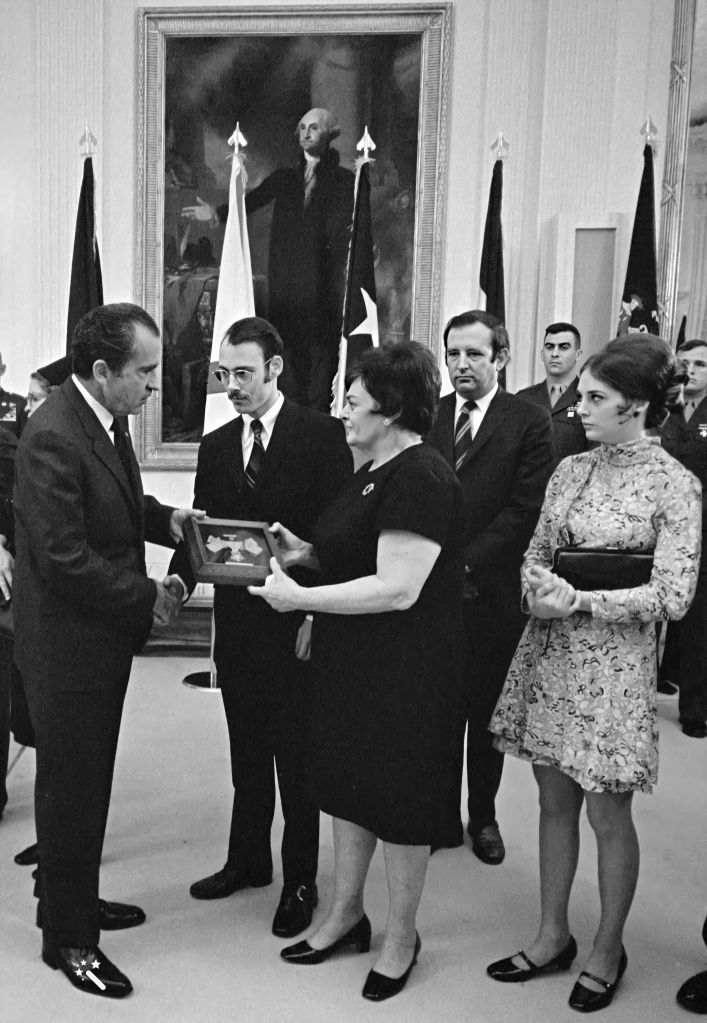
“I want to thank you for your dedication and love of country.” These words of thanks and praise were given to Mrs. Olive S. Salancy of this city Tuesday by President Richard M. Nixon as he presented her the Congressional Medal of Honor awarded posthumously to her son, PFC Daniel J. Shea, for extraordinary gallantry in Vietnam. Mrs. Salancy was flanked by her son, Dennis, and daughter, Mrs. Walter [Paula] June, as she stood before the President in the East Room of the White House. She was smiling through tears as the President took her hand firmly and offered the framed decoration and plaque representing the nation’s highest military honor. She took the frame tenderly and looked at it admiringly as the President shook hands with Dennis and Mrs. June before moving to another bereaved family receiving identical honors. There were some 400 people in the East Room when the President walked in, accompanied by Defense Secretary Melvin Laird, Army Secretary Stanly Resor, Navy Secretary John Chaffee, and Air Force Secretary Dr. Robert Seaman. The President remained in the room for almost an hour, making the 12 awards and shaking hands with every member of every family. The press was excluded from the ceremony, and this account was furnished by Representative Stewart McKinney of Fairfield, who was present. He reported it was a somber event. Little advance notice had been afforded of the citation by which PFC Shea had merited the Medal of Honor. White House aides explained this by noting that President Nixon believed it was the right of the family to know the citation in person before it was released to the press. It was with some difficulty that The Hour learned of the citation Tuesday just before the press run, again through the efforts of Mr. McKinney. Mrs. Salancy and her children were the guests of the federal government while in Washington for three days. They were housed at the Mayflower Hotel. They were not registered by name and it was impossible to reach them for comment. They are scheduled to return here tonight. Accompanying them throughout their trip from Kennedy International Airport were two Army officers and one enlisted man. PFC Shea is the second Norwalker ever awarded the Medal of Honor and the second Connecticut man to be awarded it in the Vietnam War. Marine Captain Harvey Barnum of Cheshire is also a recipient. Decorations were unpopular during the nation’s early years because many people considered them symbols of European monarchies. The establishment of the Medal of Honor by Congress in 1861 evoked much debate. More than 1,900 servicemen received it during the Civil War and Indian Wars. The Medal of Honor remained the only U.S. decoration until World War I, when Congress created others and restricted its award to persons who performed only the most extraordinary acts of heroism. The medal is predated only by the Badge of Military Merit, which General George Washington created in 1782 to honor soldiers for extraordinary bravery during the Revolutionary War. Only three persons received it. This decoration became the Purple Heart in 1932 by Presidential decree in celebration of Washington’s birthday. It had not been awarded in the intervening years.
From The Bridgeport Telegram April 15, 1971
DANIEL SHEA DAY RITES, JUNE 13 ON RAM ISLAND
Extensive plans to honor local posthumous Congressional Medal of Honor recipient PFC Daniel Shea were announced at Tuesday night’s Common Council meeting by Councilman Thomas C. O’Connor and William A. Collins. Mr. O’Connor said that President Richard M. Nixon has been invited to attend the ceremonies on June 13 (Daniel Shea Day), at which Ram Island will be renamed Shea Island, and a stone and bronze “working memorial” on Beach road in Calf Pasture park will be unveiled. Ram Island was chosen for renaming because young Shea had grown up as a local boating and water sports enthusiast and spent much of his time on the island. The memorial, which is being designed by Norwalk architect James Conte, was described as a three-walled court holding two bronze tablets commemorating Shea and 14 other Norwalk servicemen killed in Vietnam. Located adjacent to the Coast Guard station, the memorial will face out to Ram Island and might also include a flag pole and an “eternal flame.” Tuesday night, James Romano of the Norwalk Building Trades Council said his organization will provide free labor, and Mr. O’Connor said local merchants will provide free building materials. Mr. O’Connor said some $2,000 to pay for the two plaques will be sought from public donations. For that day, Mr. O’Connor said he has asked Mr. Nixon for a naval vessel to fire a salute, a fly-over of jets, and an Army band. The day will also feature a boat parade and fireworks, he said. PFC Shea was killed in May of 1969 while serving in Vietnam. His mother, Mrs. Olive Salancy of 5 St. John Street, was presented the Medal of Honor by the President at a White House ceremony this January.
From The New York Times June 17, 1971
By Michael T. Kaufman
NORWALK JOINS IN HONORING QUIET BOY WHO DIED A HERO
NORWALK, Conn. June 13 — Out on Calf’s Pasture Beach, they dedicated a monument and a plaque today to the memory of Private First Class Daniel J. Shea, an Army medic who was killed in Vietnam and was posthumously awarded the Medal of Honor. The red brick monument had been built by many hands. Labor unions supplied skills; money and equipment came from local stores and companies; special trees were purchased with the dimes and nickels of Norwalk’s youngsters. Veteran’s organizations, civic groups, and local politicians organized the day, obtained the speakers, solicited the telegrams, and arranged for the bands and the salutes to the town’s fallen hero.
Mother Is Present
And at 2 o’clock yesterday, Daniel Shea’s mother, Mrs. Olive Shea Salancy, sat at the center of a reviewing stand, and as a high school band marched by playing “September Song,” she explained to a visitor the significance of the spot on the beach. Daniel, she said, would often come here, alone or with a few friends. He was a quiet boy who loved the sea and liked to sail. Sometimes, he would set out from the beach for Ram’s Island, just a few hundred yards offshore, and camp out there. That island has now been named for Daniel, and trees bought by the schoolchildren will be planted there. Mrs. Salancy spoke firmly. While she talked, her other son, Dennis, held her hand. Daniel, she said, had been in Vietnam for six weeks when he was killed on May 14, 1969. He was drafted, “and he felt he had to go,” she explained. “The week before was Mother’s Day, and I got two dozen beautiful roses from him,” Mrs. Salancy recalled. Then, a week later came word he was dead. Private Shea was 22 years old. Dennis Shea, who is a year younger, heard his brother’s death while in a veteran’s hospital. He had enlisted in the Marines and had been wounded in Vietnam about a year earlier. Dennis’s disability has kept him from working for the two years since his discharge. Dennis said that when he first heard about the town’s response, “I was kind of stunned.” It was hard, he said, to see his brother as a hero. “He was a quiet guy who liked to fish,” he noted. “Sometimes we got along, and sometimes we fought. We were brothers.” Mrs. Salancy leaned across to say: “I’m sure the response is not meant to honor me but to pay respect to all the mothers of all the boys that die.” The families of Norwalk’s 15 other Vietnamese war dead were at the ceremony.
A Wait for General
Thomas C. O’Connor, a Town Councilman who helped organize the event, took the microphone to explain that the ceremonies were being delayed pending the arrival of Lieutenant General Clair Hutchin Jr., commanding officer of the First Army, from Fort Meade, Maryland. During the pause, the crowd—some in ties and jackets, some in bathing suits—went to look at the medal and Presidential citation presented to Mrs. Salancy last December. The citation, which was displayed on a table at the monument, explained how Private Shea, a medic, had ignored heavy enemy fire and had made four trips across an ambushed rice paddy to carry back four wounded soldiers. It continued: “Seeing a fifth wounded comrade directly in front of one of the enemy strongholds, Private Shea ran to his assistance. As he reached the wounded comrade, Private Shea was grievously wounded. “Disregarding his own welfare, Private Shea tended his wounded comrade and began to move him back to the safety of the defensive perimeter. As he neared the platoon position, Private Shea was mortally wounded by a burst of enemy fire.” This is not the only medal or citation in the Shea family. Dennis was awarded the Purple Heart, and the boys’ father. Raymond P. Shea, who died in 1950 as a consequence of World War II wounds, held the Bronze Star and Purple Heart. He had been wounded during the invasion of Normandy. One of those who stared at the citation was Joe Swizdek, who was wearing a cut down fatigue jacket. He left the service last September. Mr. Swizdek knew Dennis Shea but not his brother. He came out to the ceremony, he said, to honor someone “who did it for his friends.” “That’s the greatest thing you can do — help your friends,” said the young veteran who is about to continue college. The general arrived. The bands, the military units, and the veterans’ groups marched, and the program began with an invocation by the Rev. Joseph Whelan, pastor of the Bethel A.M.E. Church in Norwalk.
Spirit of Sacrifice Noted
“We pray, Father,” the minister began, “that our leaders recognize Thy desire for us to live in brotherhood without war. “But we are thankful that even in the midst of carnage, there see at those gripped with thy spirit that they will lay down their life for their fellow man.” As the minister prayed for all the victims of war, the strains of “Anchors Aweigh” wafted in from a veterans’ band on a barge in the bay. There was a succession of speeches thanking and congratulating the town for its cooperation in setting up the memorial. While they went on, Specialist 4 Walter Burgo stood at parade rest by a wreath set up by labor unions, schools, and veterans’ organizations. “I remember Dan as a real quiet guy who kept his thoughts to himself,” said Specialist Burgo. “He broke up with his girl just before he was drafted, and he got himself a 63 Chevy to fool around with. The main thing about him was he would do anything to help a friend.”
Senator Weicker Speaks
By this time, Senator Lowell P. Weicker Jr., Republican of Connecticut, was at the microphone. He was answering his rhetorical question, “How do we answer the question of why Daniel died?” “It doesn’t need a long speech,” the Senator said. “Just look around you. Notice how many little children there are. Look, some people have decided to go swimming. Some have decided to stay on the lawn. Some have decided to stay home. Because of men like Daniel Shea, you can do it – you can make these decisions.” Mr. Burgo then continued with his reflections: “One time, we had gone over to Port Chester in Westchester. You could drink easier there. One of the guys from here was arrested for loitering. No one knew what to do. But we ran into Dan and told him. He went down there and bailed the guy out. That’s the kind of a guy he was.” General Hutchin moved to address the crowd of some 700 or so. He pointed out that there was a significance to today’s ceremony “coming on the eve of Flag Day.”
A Salute to Bravery
“Red, white, and blue have won a reputation around the world as three colors which will not run, and Daniel J. Shea did not run either,” the general said. “Similarly, when Norwalk wanted to band together and honor its hero. this town also did not run.” General Hutchin concluded: “All of us here can aspire to come up to young Daniel Shea’s standards as a defender of the flag.” Four jets flew overhead with great noise in an aerial salute. Councilman O’Connor said he had received a phone call from President Nixon yesterday explaining that the President would not be able to attend because of his daughter’s wedding. “The President told me that a two-and-half-page telegram he sent won’t get here because of the Western Union strike,” the Councilman said. Then Mrs. Salancy, dignified in an unadorned white dress, took off the dark sunglasses that she was wearing and, with a trace of tears, removed the facing from the plaque commemorating the heroism of her son.
Text of the Valorous Unit Award. Contributed by Paula Ray Shea.
DEPARTMENT OF THE ARMY
Headquarters, United States Army Vietnam
APO San Francisco 96375
29 June 1971
GENERAL ORDERS
NUMBER 2264-422
AWARD OF THE VALOROUS UNIT AWARD
TC 439. The following AWARD is announced.
By direction of the Secretary of the Army, under the provisions of paragraph 202.1g(2), AR 672-5-1, the Valorous Unit Award is awarded to the following named units of the United States Army for extraordinary heroism while engaged in military operations during the period indicated:
3D BATTALION, 21ST INFANTRY, 196TH INFANTRY BRIGADE, AMERICAL DIVISION and its attached units:
Company A, 2d Battalion, 1st Infantry, 196th Infantry Brigade, Americal Division (13 May 1969 to 1 June 1969)
196th Infantry Brigade Forward Command Group, Americal Division:
3d Battalion, 82d Artillery Forward Command Group, Americal Division
The citation reads as follows: The 3D BATTALION, 21ST INFANTRY, 196TH INFANTRY BRIGADE, AMERICAL DIVISION, and its attached units distinguished themselves through extraordinary heroism while engaged in military operations in the vicinity of Tam Ky and Tien Phuoc, Quang Tin Province, Republic of Vietnam, during the period 13 May 1969 to 17 June 1969. After a regional force outpost had been overrun and occupied on 12 May 1969 by an NVA force of regimental size, the officers and men of the units attacked to destroy enemy forces that threatened Tam Ky city and return the outpost to GYN control. Although heavy contact was made with a numerically superior NVA force, the units fought from objective to objective, forcing the enemy from his positions, breaking his command into several sections, and causing him to suffer an overwhelming defeat. The victory assured the elimination of the threat against Tam Ky city and returned the regional force outpost to GYN control. On 4 June 1969, the 3D BATTALION, 21ST INFANTRY, 196TH INFANTRY BRIGADE, AMERICAL DIVISION again distinguished themselves by reducing the threat against the Tien Phuoc area by conducting operations against heavily armed, well-entrenched enemy, who were on many encounters numerically superior. The close fighting continued until 17 June 1969, when all enemy forces retreated to mountainous terrain. The aggressive spirit and professional execution of combat operations eliminated the threat against the GVN strong point and denied the enemy the use of the rice-rich area of the coastal plain. The extraordinary heroism and devotion to duty displayed by the members of the 3D BATTALION, 21ST INFANTRY, 196TH INFANTRY BRIGADE, AMERICAL DIVISION are in keeping with the highest traditions of the military service and reflect distinct credit upon themselves, their unit, and the Armed Forces of the United States.
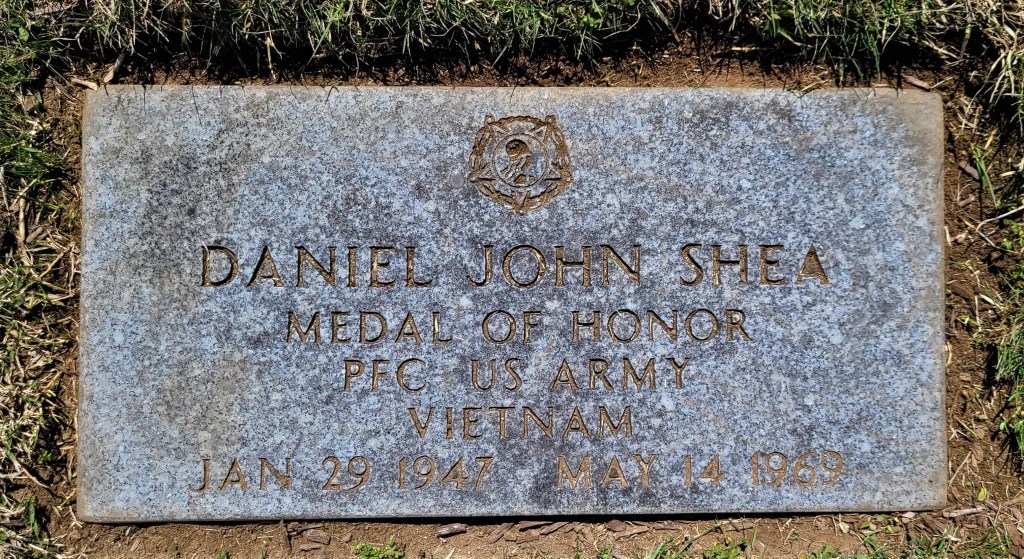
Private Shea is buried in St. John’s Cemetery, 223 Richards Avenue, Norwalk, Connecticut; Section A, Lot 113, Grave 2. Photos by webmaster.

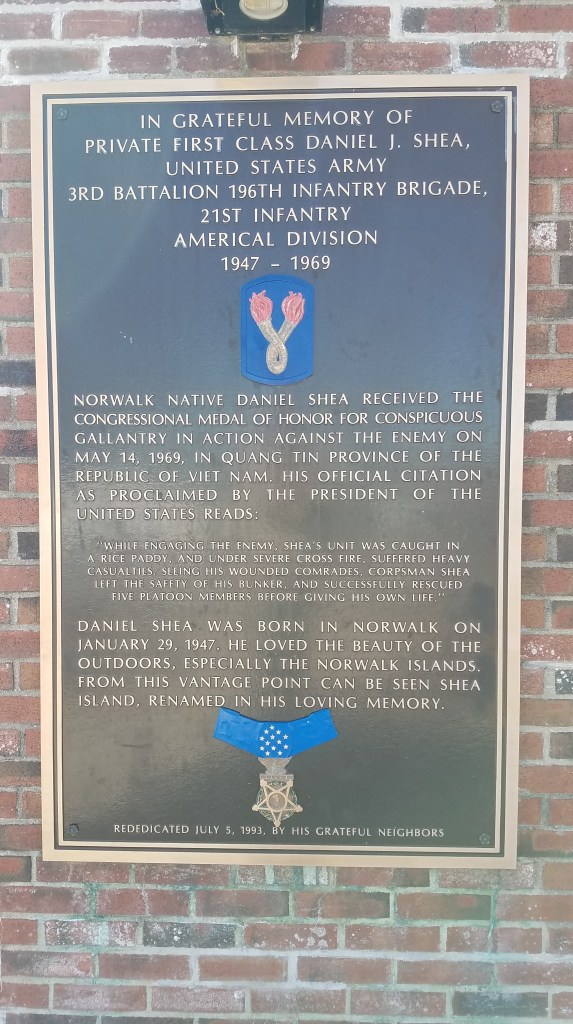
Plaque at the Shea – Magrath Memorial, 55 Calf Pasture Beach, Norwalk, Connecticut. Photo by webmaster.
END
Discover more from Honor Norwalk CT veterans
Subscribe to get the latest posts sent to your email.
 Honor Norwalk CT veterans